Steady Ground
-
When Your Financial Plan Needs to Change
Most financial plans are built with the best information available at the time. You create goals. You establish priorities. You decide what you want the future to look like. And then life happens. A job changes. A marriage ends. A parent needs care. A health issue emerges. A business opportunity appears. An unexpected setback forces…
Written by

-
Why Experience Becomes More Valuable Than Credentials After 40
For much of our early careers, credentials matter. Degrees. Certifications. Training programs. Professional designations. These accomplishments can open doors, help establish credibility, and create opportunities that might otherwise be difficult to access. But something interesting begins to happen as we move into our 40s and beyond. Experience starts carrying more weight. Not because credentials stop…
Written by

-
The Difference Between Being Financially Busy and Financially Stable
Many people reach their 40s and 50s feeling exhausted by money. They’re paying bills. They’re working hard. They’re saving when they can. They’re making financial decisions almost every day. And yet, despite all that effort, they don’t feel financially secure. If you’ve ever felt this way, you’re not alone. One of the biggest misconceptions about…
Written by

-
When Real Estate Becomes a Wealth Tool (Not Just a Place to Live)
For most people, real estate starts as a place to live. A home. A mortgage. A monthly payment. But at some point, especially after 40, the question shifts: “Is my property helping me build wealth… or just costing me money?” Because real estate can be one of the most powerful long-term tools you have. But only when…
Written by

-
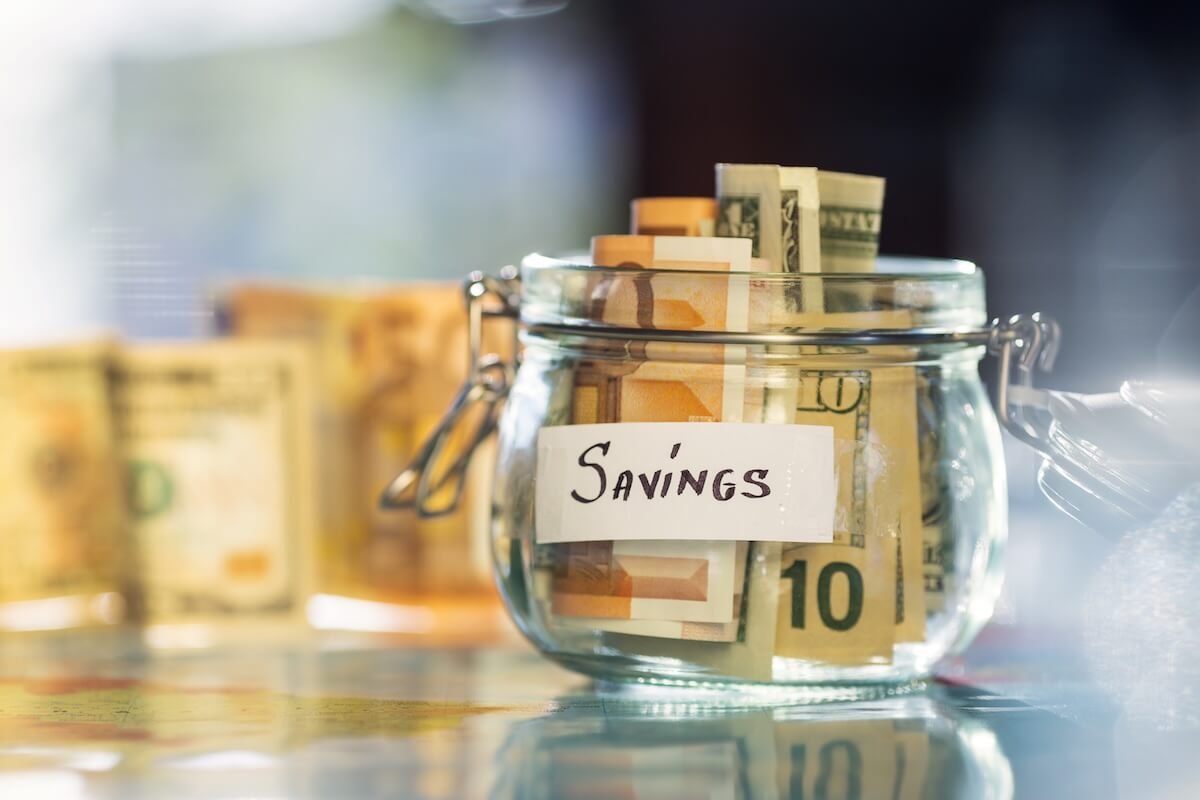
How Much Should You Actually Keep in Savings After 40?
How much should you actually keep in savings after 40
Written by
-
Starting Over Isn’t Failure — It’s Information
Few phrases feel heavier in midlife than “starting over.” It can sound like: But what if starting over isn’t evidence of failure? What if it’s data? Why Starting Over Feels Personal In earlier seasons, starting over feels like exploration. In midlife, it feels like exposure. You’ve invested years into choices — careers, locations, relationships, financial…
Written by

-
When Your Career No Longer Fits Who You’ve Become
There’s a difference between being burned out and outgrowing something. Burnout feels like exhaustion. Outgrowing feels like misalignment. And in midlife, misalignment can feel unsettling — especially when your career has shaped your identity for years. The job may still look successful on paper. The paycheck may still arrive. But something internally feels off. That…
Written by

-
What Financial Stability Actually Looks Like in the Second Half of Life
Financial stability looks different at 25 than it does at 45. In your twenties, stability might mean getting your first steady paycheck. In your thirties, it might mean managing debt while building a household. But in the second half of life, stability becomes something deeper. It’s no longer just about income. It’s about structure. It’s…
Written by

-
Why Real Estate Feels Out of Reach (Even When It’s Not)
For many people in midlife, real estate feels like something they should have figured out by now. A house. An investment property. A clearer strategy. And yet, the idea often feels distant — not just financially, but psychologically. It feels expensive. Complicated. Risky. Late. But what if real estate doesn’t feel out of reach because it’s impossible…
Written by