Real Estate & Assets
Using property, equity, and assets to support long-term financial stability.
-
Should You Downsize Your Home? Questions to Ask Before Making the Move
For many years, buying a larger home is seen as a sign of progress. More bedrooms. More space. A bigger yard. Room for a growing family. But eventually, many homeowners begin asking a different question: “Do I still need all of this?” For some, downsizing is a smart financial decision. For others, staying exactly where…
Written by

-
Is Owning Something Outright Always the Best Financial Move?
For many people, owning something outright feels like the ultimate financial goal. A paid-off house. A paid-off vehicle. No loans. No monthly payments. No debt. There is a sense of freedom that comes with ownership. And in many situations, that freedom can be valuable. But is owning something outright always the best financial move? The…
Written by

-
Why Bigger Assets Don’t Always Create More Financial Security
When people think about financial success, they often picture bigger things. A larger home. A larger investment portfolio. More property. More assets. More ownership. The assumption is simple: If bigger means more valuable, then bigger must also mean more secure. But financial security doesn’t always work that way. In fact, some of the most financially…
Written by

-
Why Liquidity Matters More Than Most People Realize
When people think about financial strength, they often focus on net worth. How much their home is worth. How much they have invested. How much their assets have grown. And while those numbers matter, there is another factor that often receives far less attention: Liquidity. In simple terms, liquidity refers to how easily you can…
Written by

-
Why Every Asset Doesn’t Need to Produce Income
When people talk about assets, the conversation often centers around income. Rental income. Dividend income. Business income. Passive income. The message can sometimes sound like every asset should be producing cash flow immediately. And while income-producing assets certainly have value, they are not the only assets worth owning. In fact, some of the most important…
Written by

-
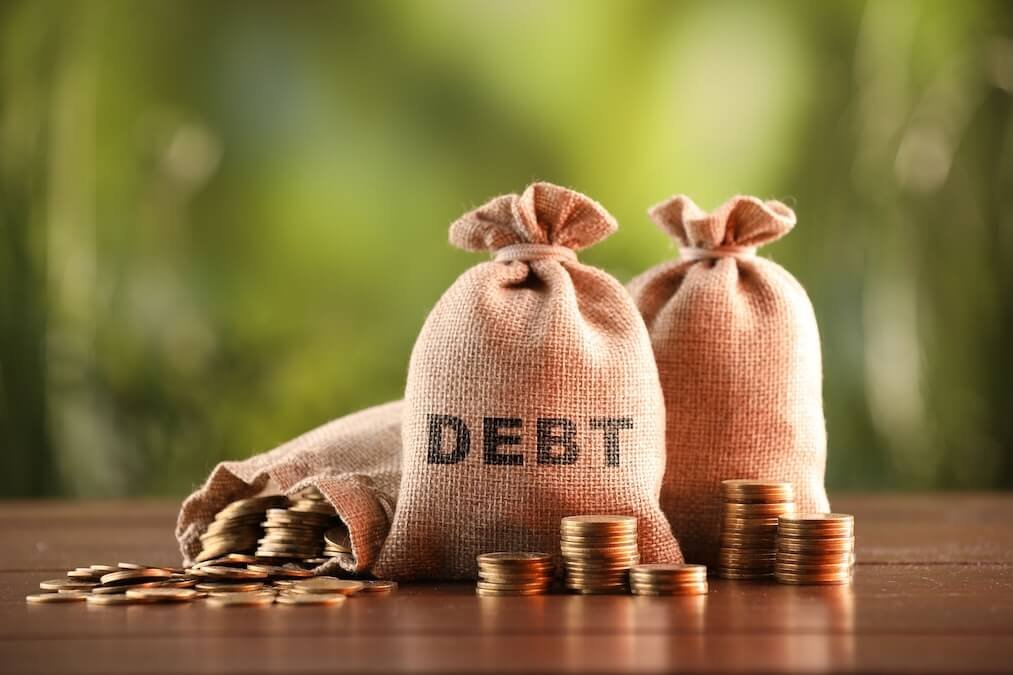
Should You Pay Off Debt Before Investing in Assets?
One of the most common financial questions people ask is: “Should I pay off debt first, or should I start investing?” It’s a reasonable question. After all, both options compete for the same dollars. Every extra payment toward debt is money that isn’t being invested. And every dollar invested is a dollar that isn’t reducing…
Written by
-
When Real Estate Becomes a Wealth Tool (Not Just a Place to Live)
For most people, real estate starts as a place to live. A home. A mortgage. A monthly payment. But at some point, especially after 40, the question shifts: “Is my property helping me build wealth… or just costing me money?” Because real estate can be one of the most powerful long-term tools you have. But only when…
Written by

-
Why Real Estate Feels Out of Reach (Even When It’s Not)
For many people in midlife, real estate feels like something they should have figured out by now. A house. An investment property. A clearer strategy. And yet, the idea often feels distant — not just financially, but psychologically. It feels expensive. Complicated. Risky. Late. But what if real estate doesn’t feel out of reach because it’s impossible…
Written by

-
Why Asset Simplicity Becomes More Valuable Over Time
More assets don’t always mean more security. Over time, simplicity often becomes the greater advantage. The Cost of Complexity Multiple assets can introduce: Complexity can quietly reduce quality of life. Why Simpler Structures Scale Better Later As priorities shift, financial systems benefit from: Simplicity supports sustainability. Intentional Ownership vs. Accumulation Asset decisions become stronger when…
Written by